
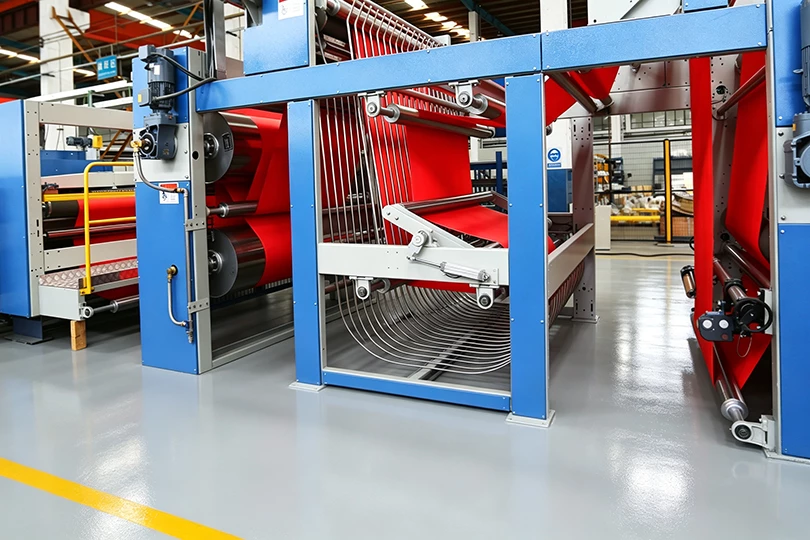
Connecting global excellent textile resources and empowering the symbiotic development of the industry with professional support
2026-08-05
The textile industry is a fundamental industry with a global layout. Textile enterprises in different countries and regions, leveraging their local industrial advantages, have developed differentiated production characteristics and quality standards. D...
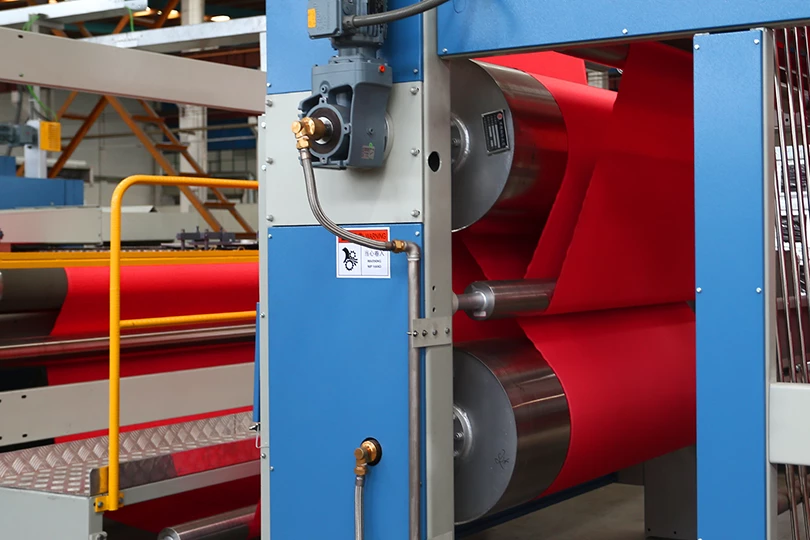
Rooted in the textile industry in Indonesia, empowering the development of large-scale printing, dyeing, and weaving in Southeast Asia
2026-08-05
Indonesia is one of the core production areas of the textile industry in Southeast Asia, boasting a complete industrial chain encompassing weaving, printing and dyeing, and garment manufacturing. With a vast industrial scale, its products are exported ...
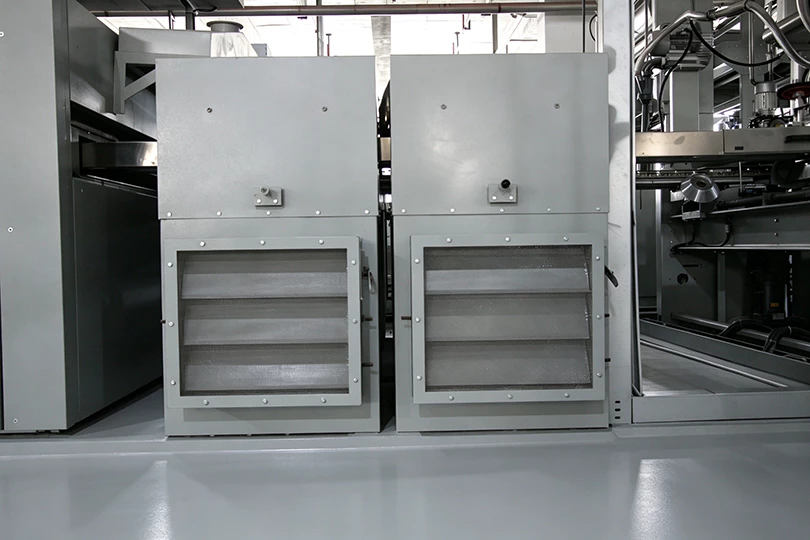
Based on the printing and dyeing industry cluster, we empower domestic large-scale printing and dyeing enterprises to achieve stable production
2026-08-05
The printing and dyeing process is the core link for improving the quality and efficiency of textile fabrics. Relying on the advantages of industrial clusters, the domestic printing and dyeing industry has formed a large-scale, standardized, and differ...
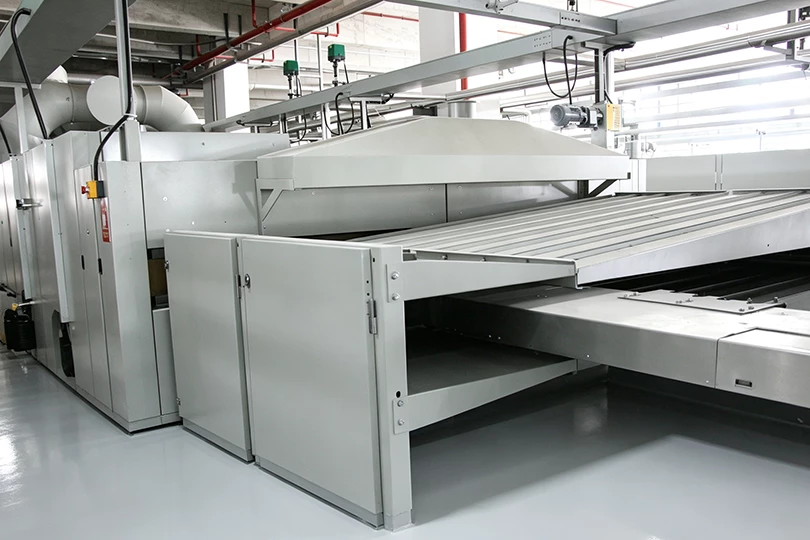
Focusing on high-end home textiles and fine-spun fabrics, we aim to jointly build a local supply chain of high-quality textile products
2026-08-05
Home textiles and high-end worsted fabrics constitute a dominant niche within the domestic textile industry. These segments adhere to stringent standards for indicators such as fabric luster, flatness, hand feel, and color fastness. The stability and p...
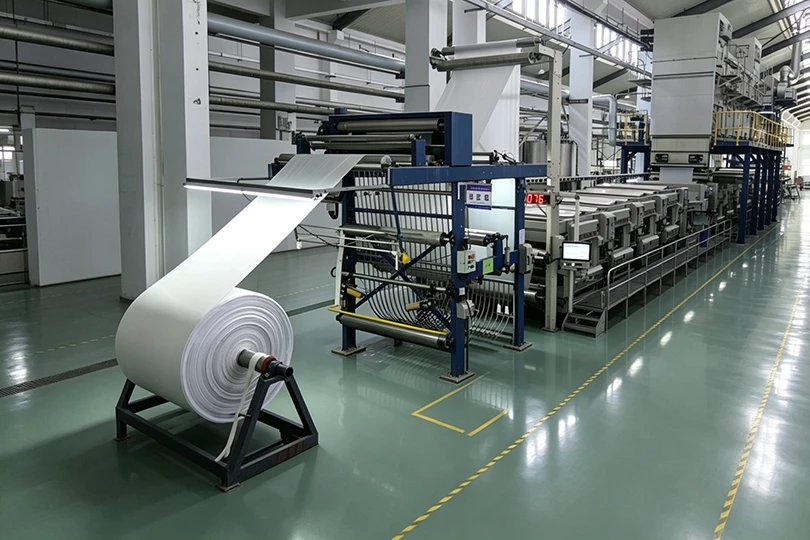
How can the sizing be completely stripped from the woven fabric?
2026-08-05
During the textile weaving process, to enhance yarn toughness and reduce weaving breaks and wear, factories apply sizing treatment to the raw yarn, ensuring that the sizing agent adheres evenly to the yarn surface. The finished grey fabric comes with a...
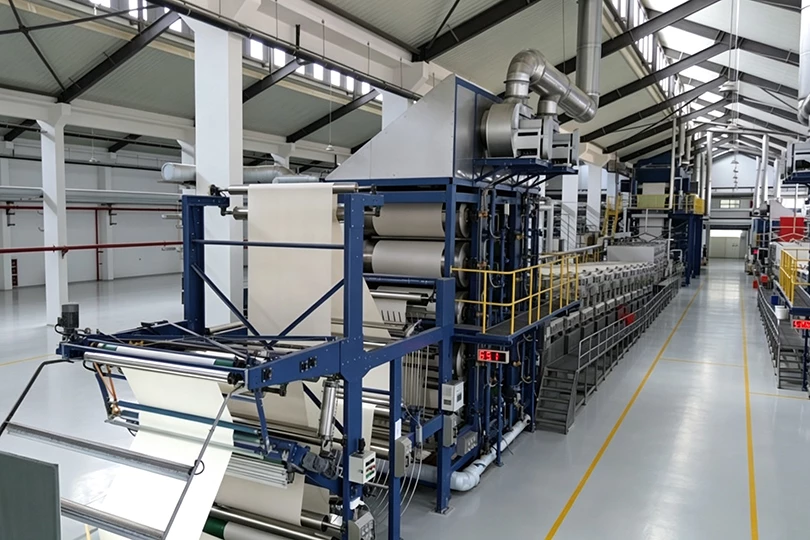
How to remove the loose dye from reactive dyed fabric?
2026-08-05
After the cotton and linen fabrics are dyed and printed using reactive dyes, in addition to the pigments firmly bound to the fibers, a large amount of unfixed free dyes, color paste residues, and auxiliary agent residues remain on the fabric surface an...
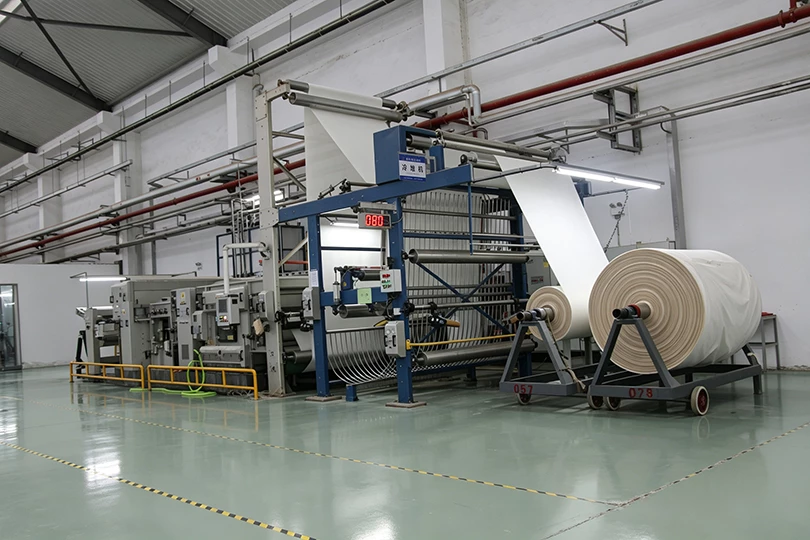
What equipment can be used for low-temperature pretreatment of cotton and linen grey fabric?
2026-08-05
Traditional grey fabric pretreatment equipment often adopts high-temperature steaming reaction mode, which requires continuous heat supply during operation, resulting in high energy consumption. Moreover, the equipment structure is complex and requires...
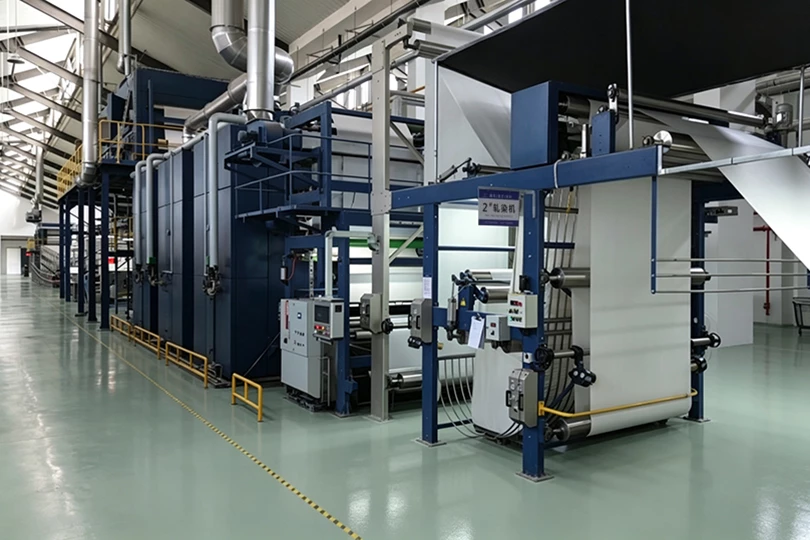
What integrated equipment is used in the hot-melt dyeing process of shuttle-woven fabric?
2026-08-05
The hot-melt pad dyeing process for shuttle-woven chemical fiber and cotton-linen blended fabrics involves multiple steps, including dipping in the dyeing solution, pre-drying, hot-melt fixing, and reduction washing. Traditional segmented equipment req...
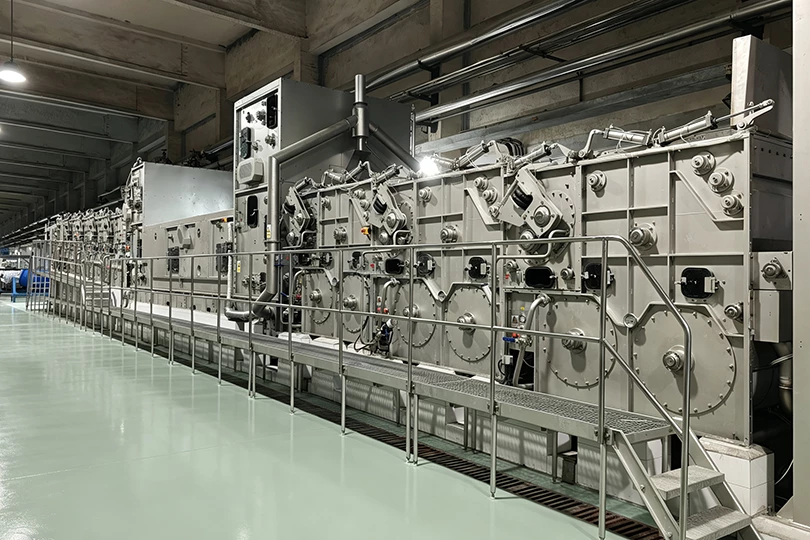
How can we avoid the fabric fuzz caused by rope-like processing on knitted cotton fabric?
2026-08-05
The knitted cotton fabric is characterized by a soft structure, ample elasticity, and fluffy fibers. When processed using traditional rope-like boiling and bleaching equipment, the fabric tends to entwine and rub against each other, leading to issues s...
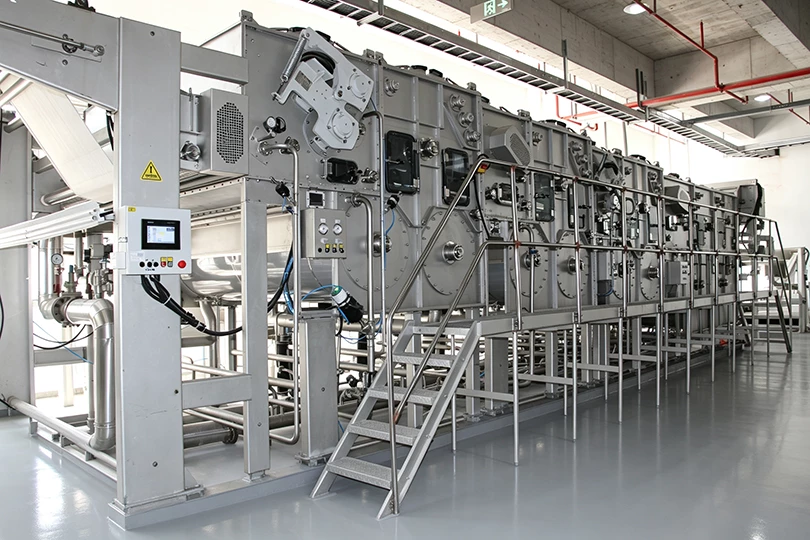
How to remove spinning oil stains from chemical fiber fabrics?
2026-08-05
Polyester, nylon, and other chemical fiber fabrics will continuously adhere to various oil and grease substances, including spinning oil, weaving lubricant, and anti-static grease, throughout the spinning, texturing, and weaving processes. These oil st...