
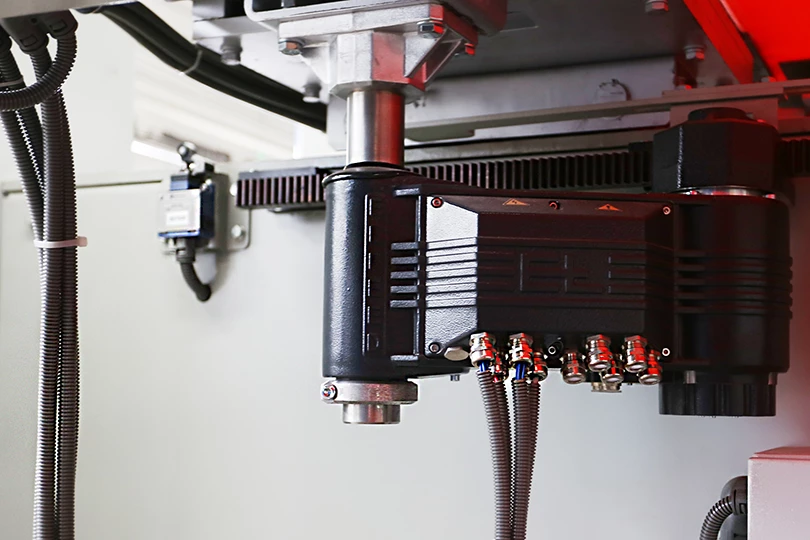
Deeply cultivating the Eurasian textile industry belt, serving excellent textile enterprises in Türkiye and Portugal
2026-08-05
The textile industry in the Eurasian region boasts mature craftsmanship and stringent quality standards, particularly excelling in denim fabrics, high-end dyeing and finishing, and functional fabrics. Local enterprises have high demands for precision a...
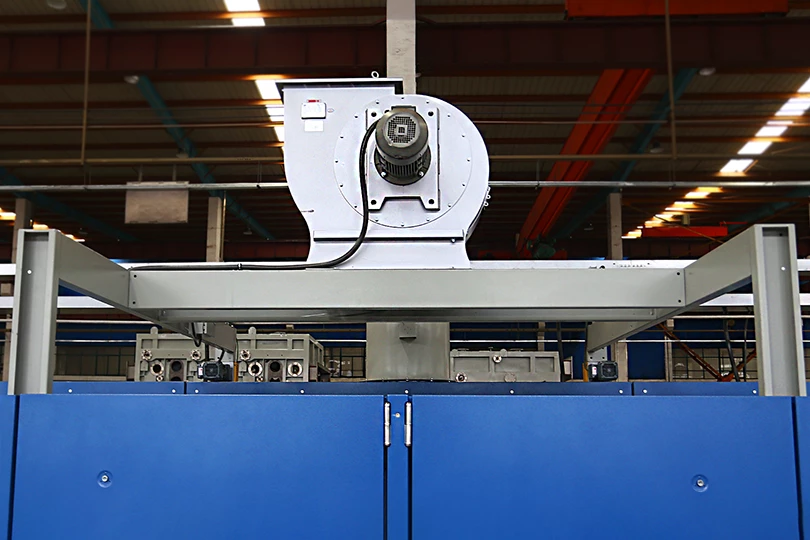
Deeply cultivating the Southeast Asian textile market and building a bridge for cross-border textile cooperation
2026-08-05
Relying on its industrial foundation and geographical advantages, the textile industry in Southeast Asia has continued to develop steadily. Countries such as Pakistan, Bangladesh, Thailand, and Vietnam are home to numerous large-scale weaving, printing...
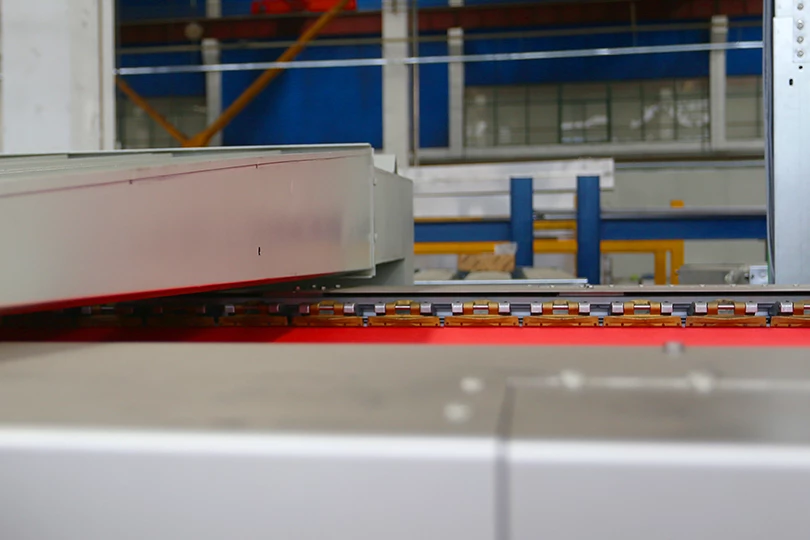
Diversify local collaborations to meet the production needs of all categories of textile fabrics
2026-08-05
Domestic textile enterprises have a rich variety of product categories, covering multiple fields such as shuttle weaving, knitting, worsted, home textiles, and industrial fabrics. There are significant differences in material characteristics, processin...
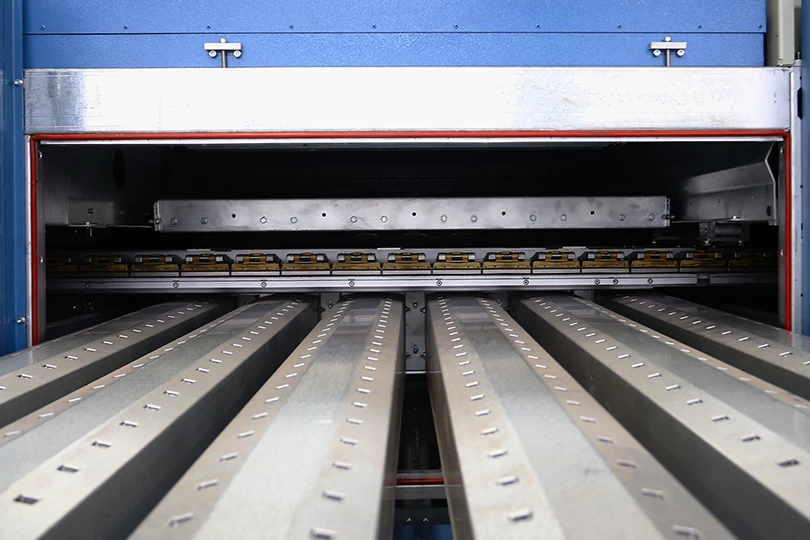
Deeply cultivating the domestic textile industry, and collaborating with weaving, printing, and dyeing enterprises to build a foundation of quality
2026-08-05
After years of accumulation, the domestic textile industry has formed an industrial structure with a comprehensive system, a full range of categories, and mature craftsmanship. Many local enterprises, relying on their stable production systems and rigo...
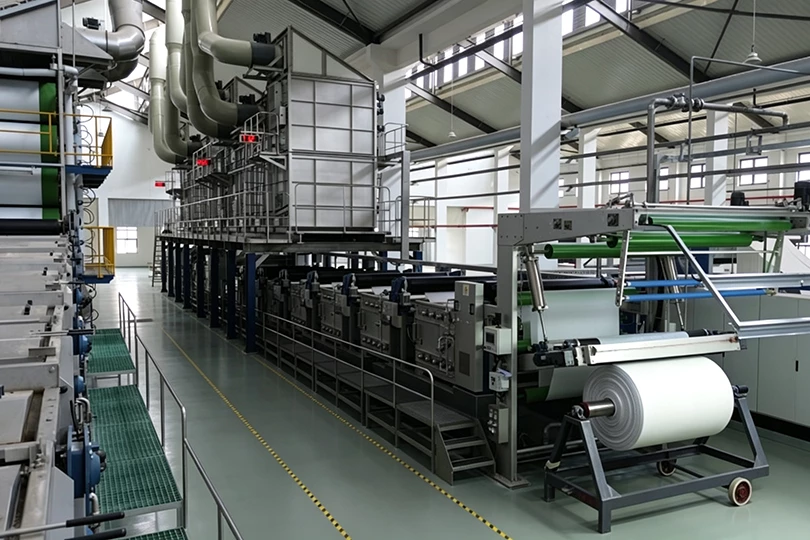
How can we simultaneously complete scouring and bleaching of cotton and linen grey fabric?
2026-08-05
Natural cotton and linen fibers belong to natural plant fibers, inherently containing various impurities such as pectin, wax, ash, and natural pigments. These impurities adhere to the interior and surface of the fibers, causing the base color of the gr...

What equipment is used to improve the luster and adsorption properties of cotton fabric?
2026-08-05
When ordinary cotton fabric is not subjected to mercerization treatment, the internal structure of the fibers is loose, the surface texture is rough, the overall luster of the fabric is dull, and its adsorption and fixation ability to dyes is weak. Aft...
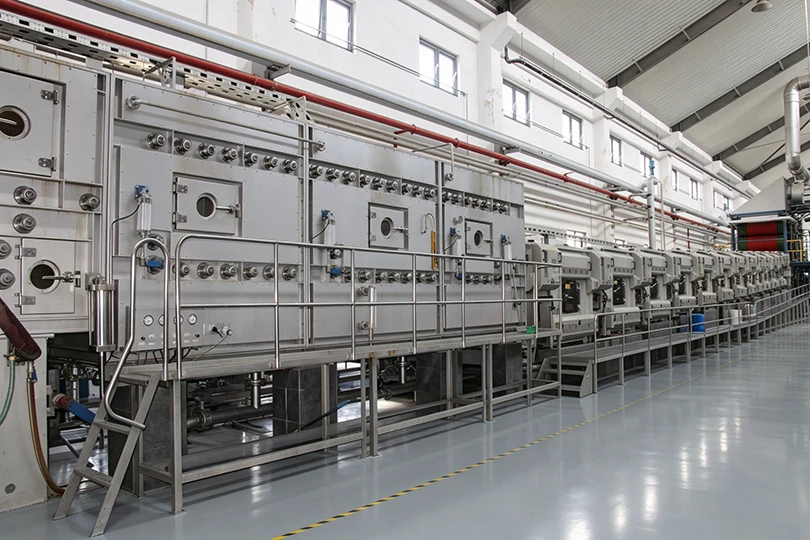
How can the printing fabric paste and excess dye be separated and removed?
2026-08-05
During the fabric printing process, auxiliary materials such as printing paste, thickeners, and fixing agents are required to ensure the stable adhesion of the color paste on the fabric surface and the formation of clear patterns. After printing, the f...
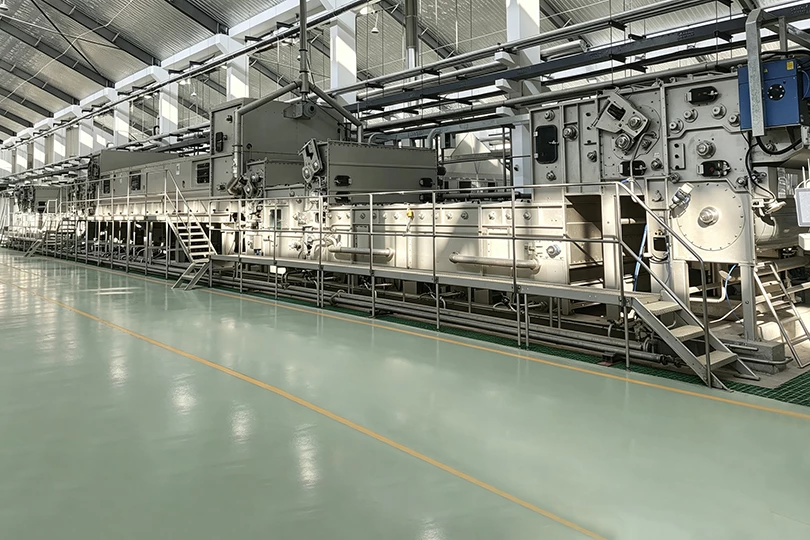
How can pre-treatment of lightweight woven fabrics reduce tensile deformation?
2026-08-05
High-count, high-density, lightweight woven fabrics, such as shirt fabrics and thin home textile fabrics, feature fine fibers and a loose fabric structure, resulting in weak load-bearing capacity. Conventional desizing and washing equipment operates wi...

How to control the width shrinkage of knitted cotton fabric during mercerization process?
2026-08-05
Knitted cotton fabric features loosely interwoven fibers and strong elasticity. During the mercerization process in concentrated alkali, the fabric is prone to inward shrinkage, narrowing of the width, and wrinkling due to the influence of alkali penet...
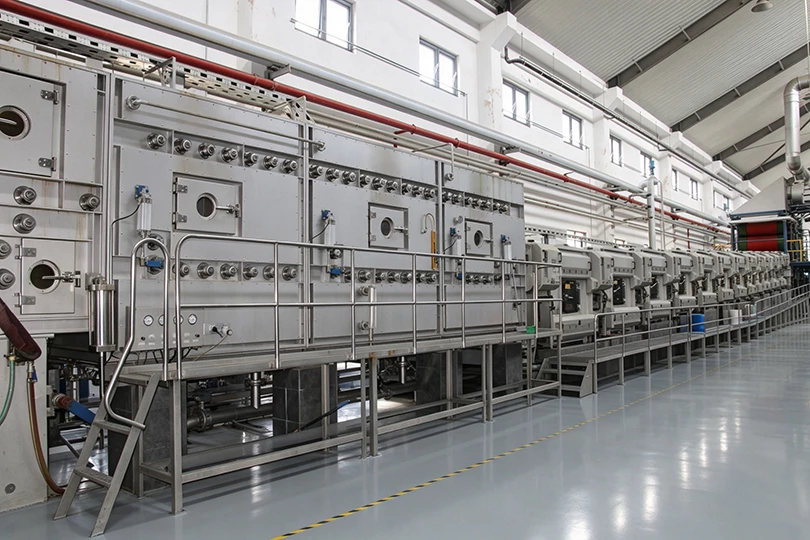
What type of washing equipment should be used for removing loose dye from knitted fabrics?
2026-08-05
Knitted fabric has a fluffy structure with numerous fiber gaps. After dyeing, a large amount of unfixed floating dyes will hide between the fiber gaps and the fabric's fluff. These floating dyes are difficult to remove through conventional simple w...