
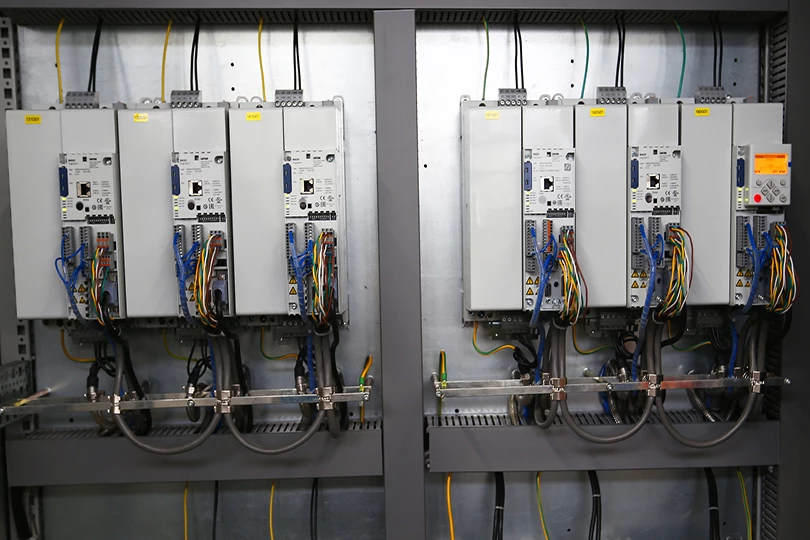
What equipment is used to improve the luster and adsorption properties of cotton fabric?
2026-08-05
When ordinary cotton fabric is not subjected to mercerization treatment, the internal structure of the fibers is loose, the surface texture is rough, the overall luster of the fabric is dull, and its adsorption and fixation ability to dyes is weak. Aft...
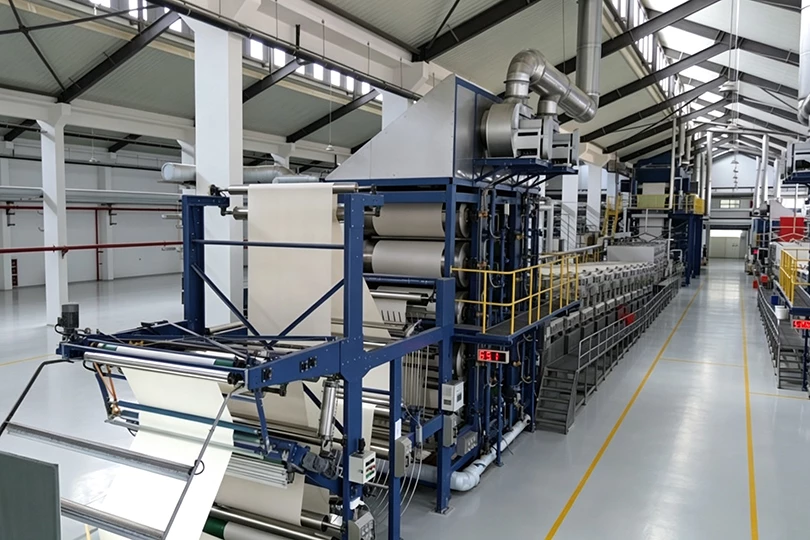
How to remove the loose dye from reactive dyed fabric?
2026-08-05
After the cotton and linen fabrics are dyed and printed using reactive dyes, in addition to the pigments firmly bound to the fibers, a large amount of unfixed free dyes, color paste residues, and auxiliary agent residues remain on the fabric surface an...
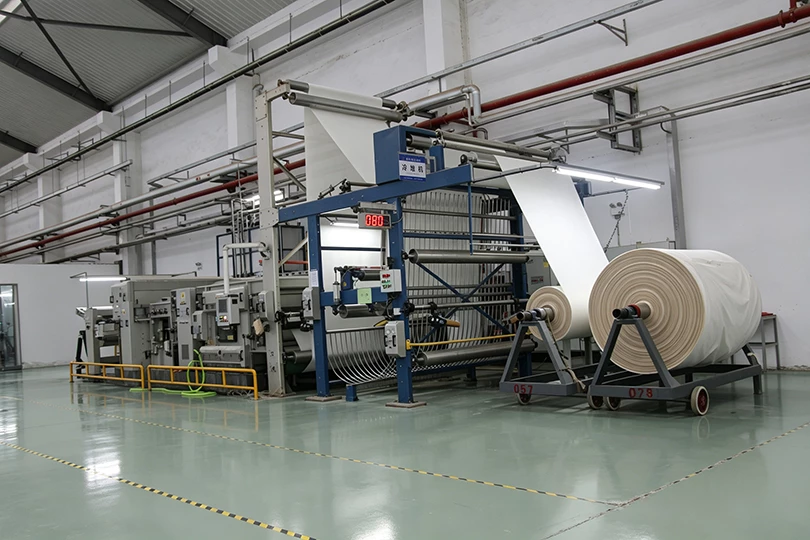
What equipment can be used for low-temperature pretreatment of cotton and linen grey fabric?
2026-08-05
Traditional grey fabric pretreatment equipment often adopts high-temperature steaming reaction mode, which requires continuous heat supply during operation, resulting in high energy consumption. Moreover, the equipment structure is complex and requires...
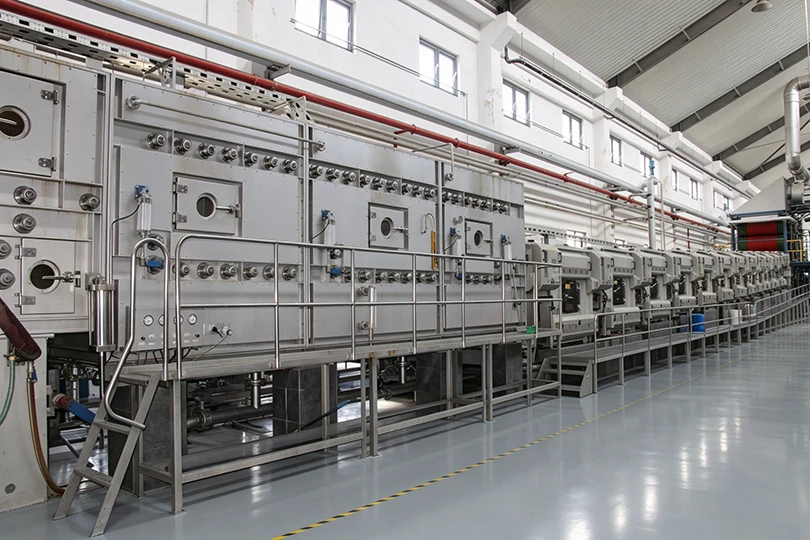
How can the printing fabric paste and excess dye be separated and removed?
2026-08-05
During the fabric printing process, auxiliary materials such as printing paste, thickeners, and fixing agents are required to ensure the stable adhesion of the color paste on the fabric surface and the formation of clear patterns. After printing, the f...
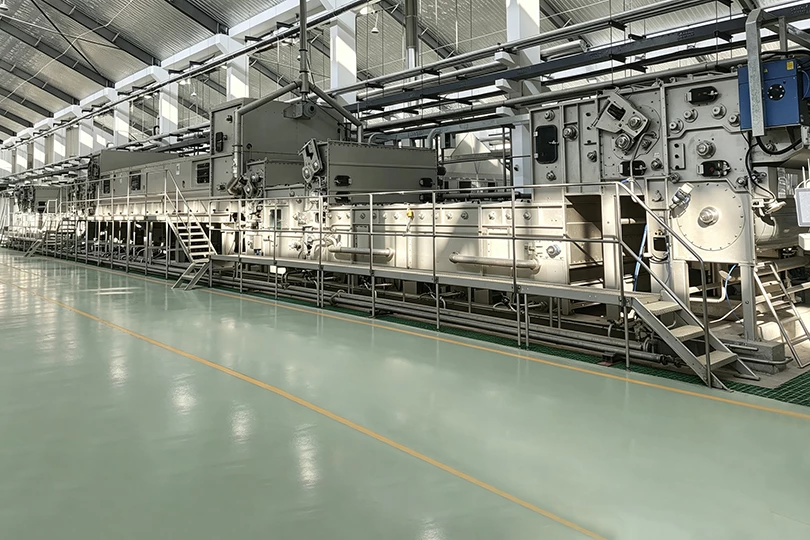
How can pre-treatment of lightweight woven fabrics reduce tensile deformation?
2026-08-05
High-count, high-density, lightweight woven fabrics, such as shirt fabrics and thin home textile fabrics, feature fine fibers and a loose fabric structure, resulting in weak load-bearing capacity. Conventional desizing and washing equipment operates wi...
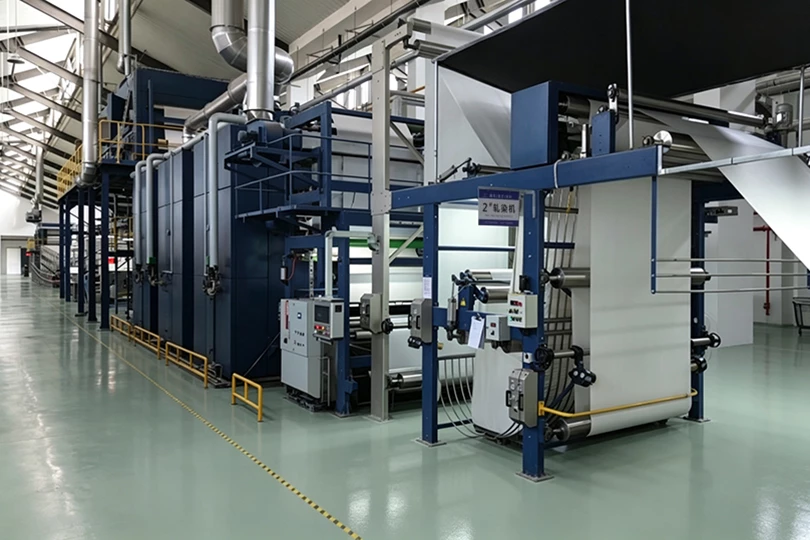
What integrated equipment is used in the hot-melt dyeing process of shuttle-woven fabric?
2026-08-05
The hot-melt pad dyeing process for shuttle-woven chemical fiber and cotton-linen blended fabrics involves multiple steps, including dipping in the dyeing solution, pre-drying, hot-melt fixing, and reduction washing. Traditional segmented equipment req...
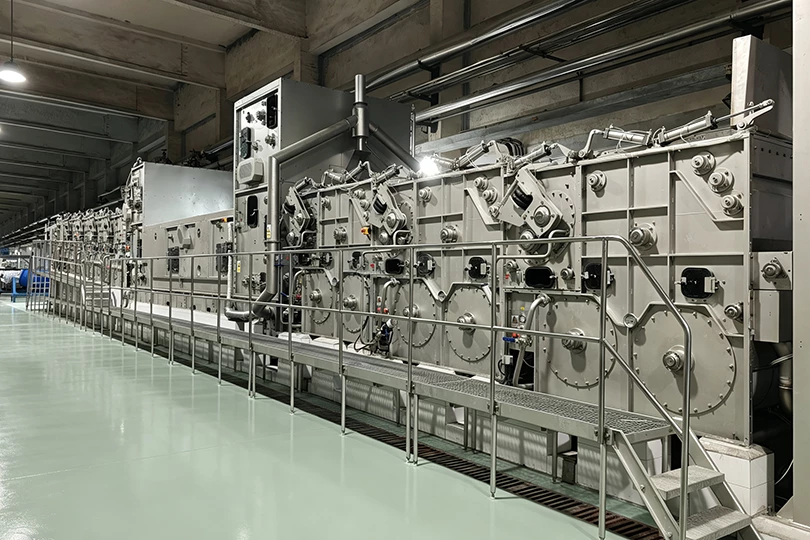
How can we avoid the fabric fuzz caused by rope-like processing on knitted cotton fabric?
2026-08-05
The knitted cotton fabric is characterized by a soft structure, ample elasticity, and fluffy fibers. When processed using traditional rope-like boiling and bleaching equipment, the fabric tends to entwine and rub against each other, leading to issues s...

How to control the width shrinkage of knitted cotton fabric during mercerization process?
2026-08-05
Knitted cotton fabric features loosely interwoven fibers and strong elasticity. During the mercerization process in concentrated alkali, the fabric is prone to inward shrinkage, narrowing of the width, and wrinkling due to the influence of alkali penet...
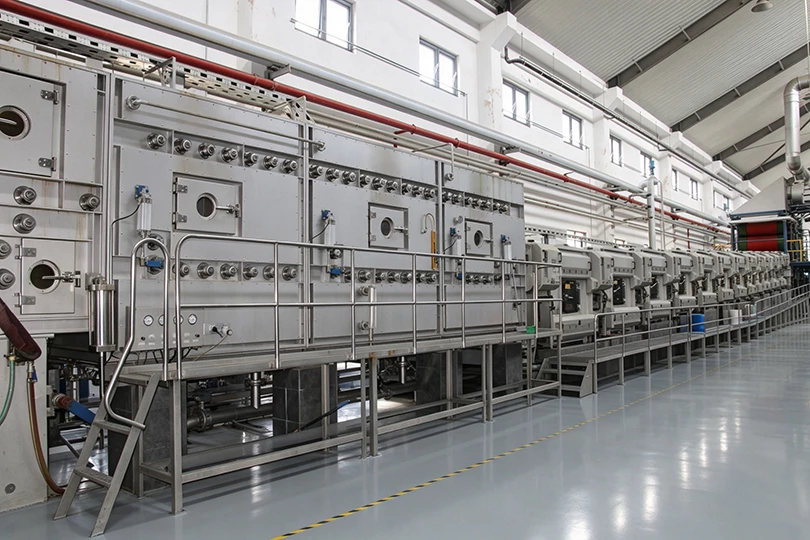
What type of washing equipment should be used for removing loose dye from knitted fabrics?
2026-08-05
Knitted fabric has a fluffy structure with numerous fiber gaps. After dyeing, a large amount of unfixed floating dyes will hide between the fiber gaps and the fabric's fluff. These floating dyes are difficult to remove through conventional simple w...
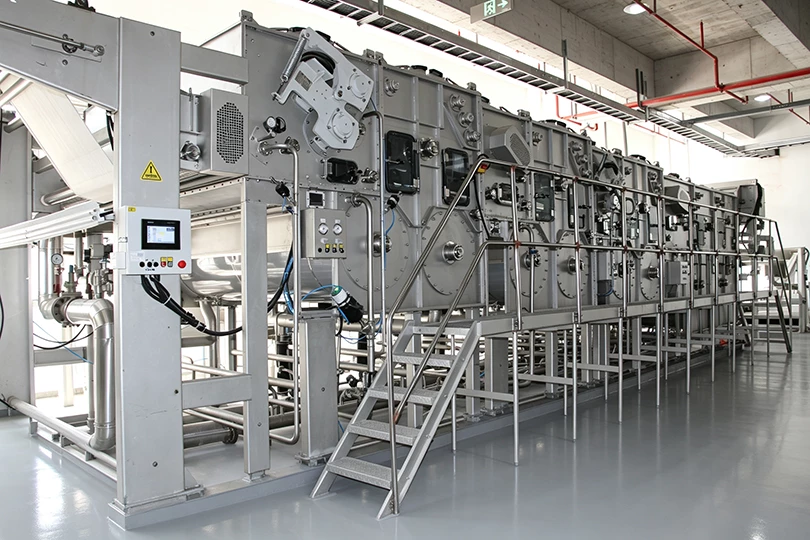
How to remove spinning oil stains from chemical fiber fabrics?
2026-08-05
Polyester, nylon, and other chemical fiber fabrics will continuously adhere to various oil and grease substances, including spinning oil, weaving lubricant, and anti-static grease, throughout the spinning, texturing, and weaving processes. These oil st...